API Design Mastery: Complete 8-Part Series
Master API design from HTTP fundamentals to production systems. 8-part comprehensive guide covering REST, security, caching, GraphQL, gRPC, resilience, and interview preparation.
Moshiour Rahman
Advertisement
Welcome to API Design Mastery
This comprehensive 8-part series takes you from HTTP fundamentals to senior-level production systems. Whether you’re preparing for FAANG interviews or building enterprise APIs, this guide covers everything you need.
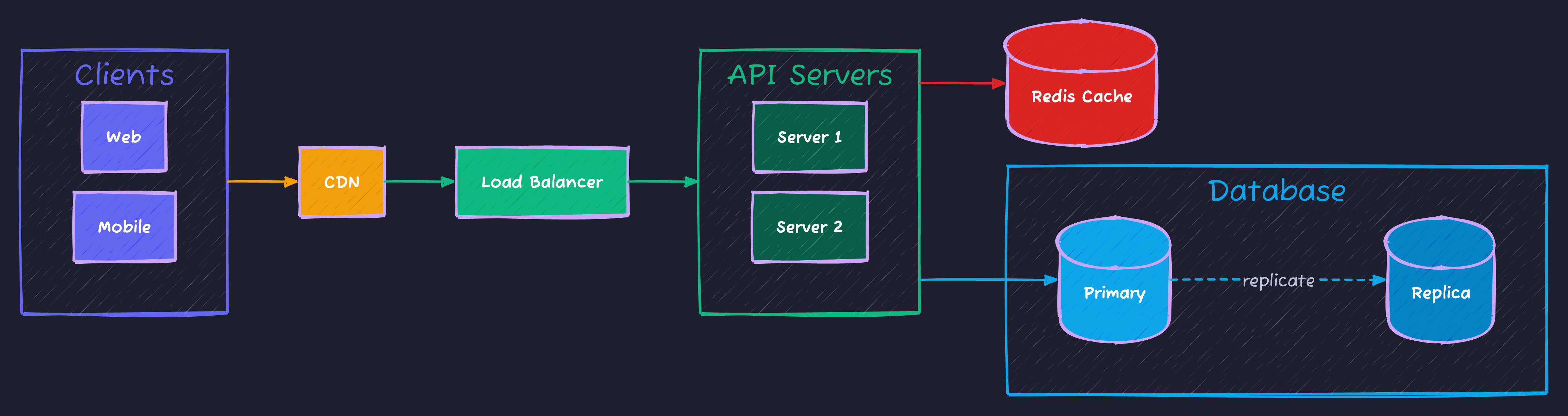
The Complete Series
| Part | Topic | Level | What You’ll Learn |
|---|---|---|---|
| 1 | HTTP & REST Fundamentals | Beginner | HTTP methods, status codes, REST maturity model |
| 2 | Security & Authentication | Beginner | JWT, OAuth 2.0 PKCE, API keys, security layers |
| 3 | Rate Limiting & Pagination | Intermediate | Sliding window algorithms, cursor pagination |
| 4 | Versioning & Idempotency | Intermediate | API versioning strategies, Stripe-style idempotency |
| 5 | Caching Strategies | Intermediate | Multi-layer caching, ETags, cache invalidation |
| 6 | GraphQL & gRPC | Intermediate | Modern API protocols, when to use each |
| 7 | Resilience & Observability | Advanced | Circuit breakers, metrics, logging, tracing |
| 8 | Production Mastery | Advanced | Interview prep, debugging, governance |
Learning Path
Beginners: Start Here
If you’re new to API design, follow this path:
- Part 1: HTTP & REST - Foundation concepts
- Part 2: Security - Authentication essentials
- Part 3: Rate Limiting - Traffic control basics
Intermediate: Level Up
Ready to build production systems:
- Part 4: Versioning & Idempotency - API reliability
- Part 5: Caching - Performance optimization
- Part 6: GraphQL & gRPC - Modern protocols
Advanced: Senior Level
Master production concerns:
- Part 7: Resilience & Observability - Fault tolerance
- Part 8: Production Mastery - Real-world expertise
Key Diagrams
HTTP Status Code Decision Tree
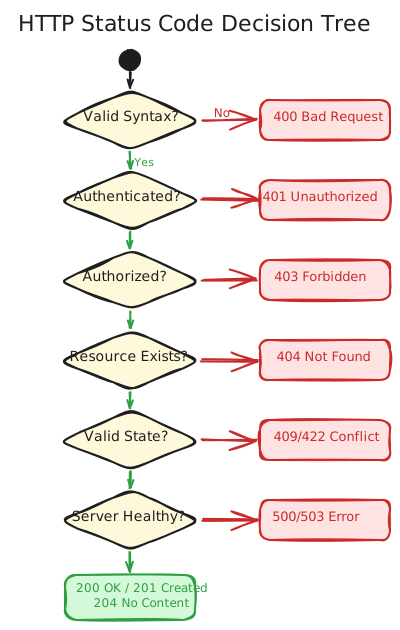
Use this flowchart to choose the correct HTTP status code for any response.
Circuit Breaker State Machine
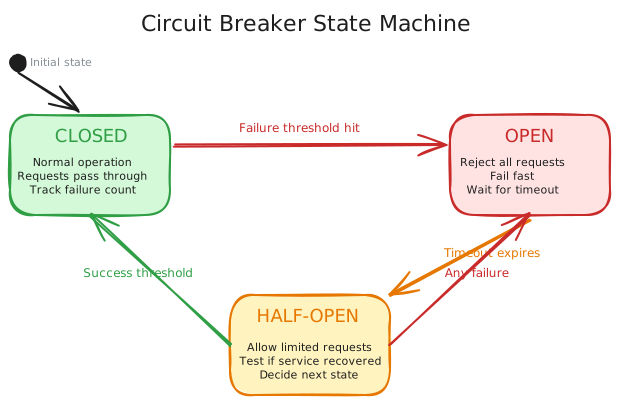
The circuit breaker pattern prevents cascading failures in distributed systems.
Multi-Layer Caching Architecture
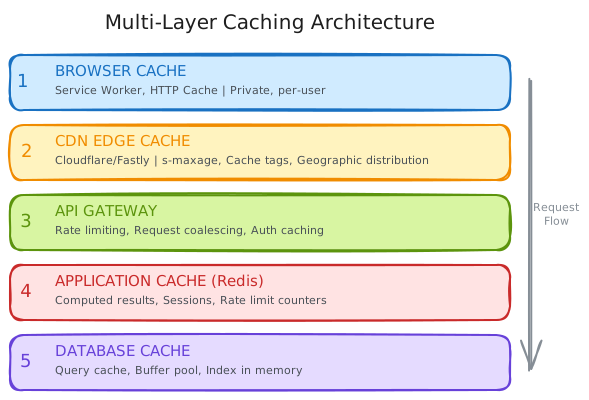
Production systems use multiple caching layers for optimal performance.
Quick Reference Tables
HTTP Methods at a Glance
| Method | Safe | Idempotent | Cacheable | Use Case |
|---|---|---|---|---|
| GET | Yes | Yes | Yes | Retrieve resources |
| POST | No | No | Rarely | Create resources |
| PUT | No | Yes | No | Full update |
| PATCH | No | No | No | Partial update |
| DELETE | No | Yes | No | Remove resources |
API Style Comparison
| Aspect | REST | GraphQL | gRPC |
|---|---|---|---|
| Data Fetching | Fixed endpoints | Client specifies | Strongly typed |
| Best For | Public APIs | Mobile apps, complex UIs | Microservices |
| Caching | HTTP native | Custom | Custom |
| Browser Support | Native | Native | Needs proxy |
The Complete API Engineer Checklist
| Category | Must Know | Senior Level |
|---|---|---|
| HTTP | Methods, status codes | Content negotiation |
| Security | JWT, API keys | OAuth flows, mTLS |
| Rate Limiting | Basic implementation | Multi-tier, distributed |
| Pagination | Offset vs cursor | Connection pattern |
| Caching | Cache-Control headers | Multi-layer, invalidation |
| Versioning | URL-based | Migration strategies |
| Resilience | Timeouts, retries | Circuit breakers |
| Observability | Logging | Metrics, tracing, SLIs |
Who This Series Is For
- Backend Engineers building production APIs
- Full-Stack Developers needing deeper API knowledge
- Tech Lead Candidates preparing for system design interviews
- Anyone who wants to understand how APIs work at scale
Start Your Journey
Ready to master API design? Begin with Part 1: HTTP & REST Fundamentals.
The best API is the one your consumers love to use and your operations team can sleep through.
Advertisement
Moshiour Rahman
Software Architect & AI Engineer
Enterprise software architect with deep expertise in financial systems, distributed architecture, and AI-powered applications. Building large-scale systems at Fortune 500 companies. Specializing in LLM orchestration, multi-agent systems, and cloud-native solutions. I share battle-tested patterns from real enterprise projects.
Related Articles
API Design Part 1: HTTP & REST Fundamentals
Master HTTP methods, status codes, and REST maturity model. The foundation every API developer needs - from GET/POST basics to idempotency and proper status code selection.
System DesignAPI Design Part 6: GraphQL & gRPC
Master modern API protocols beyond REST. Learn when to use GraphQL for flexible queries, gRPC for high-performance microservices, and how to implement both in production.
System DesignAPI Design Part 4: Versioning & Idempotency
Master API versioning strategies and idempotency patterns. Learn URL vs header versioning, version lifecycle management, and Stripe-style idempotency keys for reliable APIs.
Comments
Comments are powered by GitHub Discussions.
Configure Giscus at giscus.app to enable comments.